Native milkweeds are the base of many pollinator gardens. They feed adult butterflies with nectar and support monarch caterpillars as a host plant. If you’re building a wildlife-friendly bed near a rain garden, pond edge, or any consistently moist spot, milkweed belongs on your shortlist.
Swamp Milkweed (Asclepias incarnata): Complete Guide to Planting, Care, and Benefits

Introduction
Swamp Milkweed (Asclepias incarnata)
Swamp milkweed is a clump-forming perennial that likes wet and evenly moist soils as about the light, it prefers full sun to light shade. Plants typically reach 90–150 cm (3–5 ft) and bloom mid–late summer with pink to rose flower clusters that draw butterflies, bees, and other beneficial insects.
Plant in a site that stays moist (rain garden edges, low swales, pond margins). Work in compost to improve water retention but avoid heavy fertilizer. Space 45-60 cm (18-24 in) for airflow. Deadhead to extend bloom, then leave late-season seedpods for winter interest or wildlife. Cut stems to 5-8 cm (2-3 in) in late winter.
Watch for aphids: rinse with water instead of using broad pesticides to protect caterpillars.
To start new plants, collect swamp milkweed seeds in late summer when pods split and the fluff browns:
-
Direct-sow in fall or cold-stratify 30–60 days before spring sowing for best germination
-
Include the plant by name in your plan-swamp milkweed (asclepias incarnata), to ensure you’re sourcing the true wet-tolerant species.
-
For ongoing success: watering during drought, seasonal cutbacks, and mindful pest control
Swamp Milkweed Plant
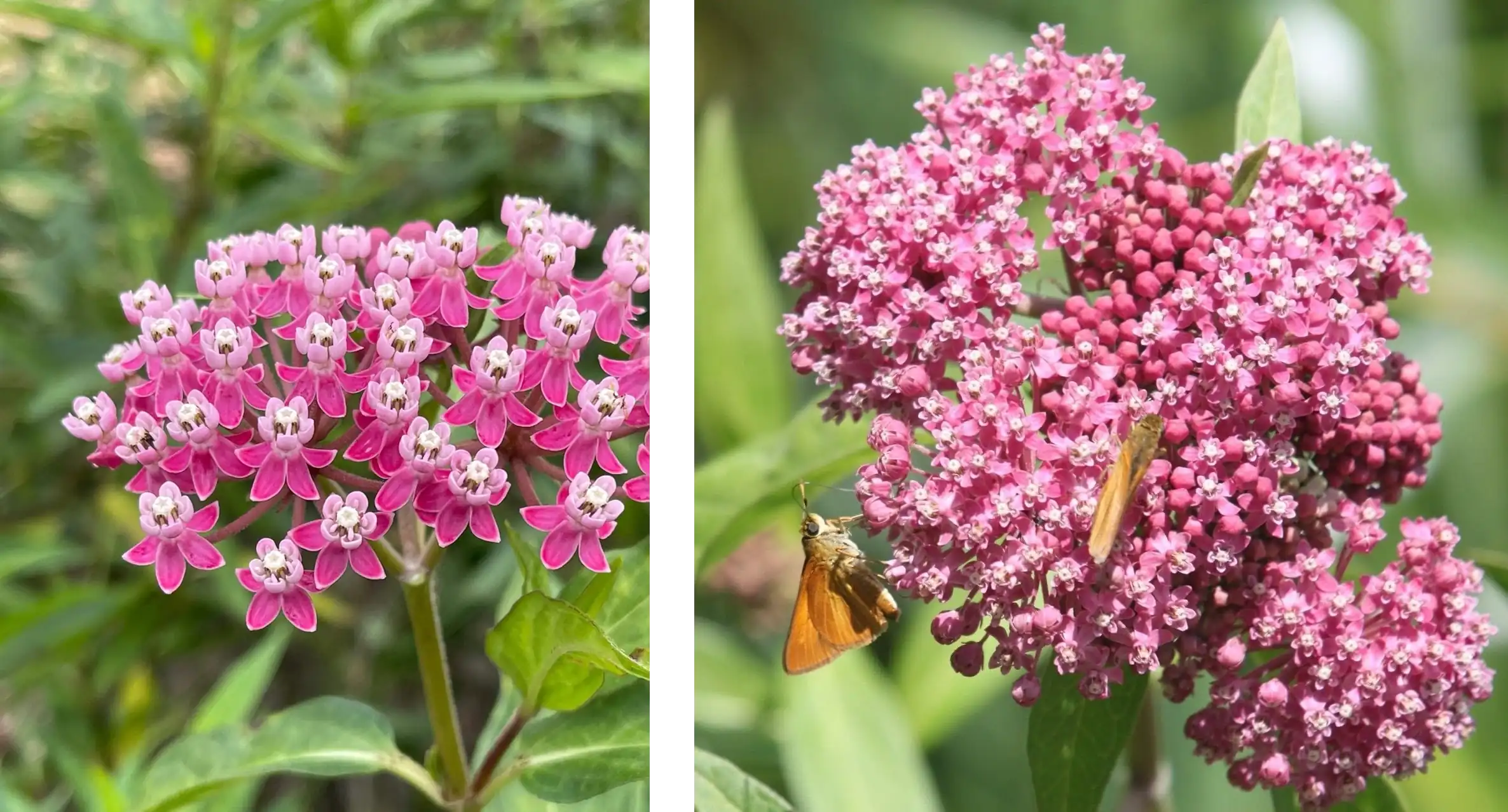
-
Perennial thrives in wetlands, meadows, and well-watered garden beds. Typical height 3–5 feet with multiple sturdy stems and narrow, lance-shaped leaves
-
Full sun to light shade works, but consistent moisture is the secret to strong growth and steady bloom. Space plants 18–24 inches for airflow
-
Cut stems back in late winter and deadhead if you want to limit self-seeding. Flowers are usually rosy to deep pink (if we’re talking about what many gardeners call pink swamp milkweed), and they’re highly attractive to butterflies and native bees
-
If you prefer white blooms, look for white swamp milkweed selections such as ‘Ice Ballet’. For extra show and a light vanilla scent, cinderella swamp milkweed (‘Cinderella’) is a popular cultivar with large, rose-pink umbels
Swamp Milkweed Seeds
Sow seeds outdoors in fall so natural cold can break dormancy, or cold-stratify 30–60: days in the refrigerator before spring planting. For spring starts, surface-sow or cover very lightly (about 1/8: inch) in a moist, well-draining mix at 65-75°F; keep evenly moist and in bright light.
Expect germination 10-20 days after stratification. Transplant milkweed seedlings once they have 2-3 true leaves, taking care not to disturb roots.
Harden off before moving to the garden and keep soil consistently damp their first season. If you’re collecting your own seed, let pods mature and split on the plant, then harvest and dry thoroughly before storing.
Swamp Milkweed Seedlings
-
Keep young starts evenly moist from the moment they sprout; a light mulch helps hold water without smothering stems
-
After proper cold stratification, seedlings typically emerge in 2-4 weeks under bright light and 18-24 °C temperatures.
-
Use a well-draining mix to prevent damping-off, and run a small fan for gentle airflow. Bottom-water trays so foliage stays dry
-
Once each milkweed plant has 2-3 true leaves, pot up carefully, milkweed dislikes rough root disturbance
-
Harden off for 7-10 days before planting out, then keep soil consistently damp during the first growing season
Swamp Milkweed Flower and Bloom Time
Expect full, rosy clusters from mid to late summer (July–September). Blooms draw bees, butterflies, and, importantly, monarchs, while late-season swamp milkweed seed pods follow the flowers and split in early fall to release floss-carried seeds.
Deadhead to prolong bloom, or leave pods for natural reseeding and winter interest. In a swamp milkweed in garden setting, site plants in sun with steady moisture (rain-garden edges, low swales, pond margins).
If you’re collecting seed, wait until pods are brown and beginning to open. Label cultivars, bag pods if needed, and dry seeds thoroughly before storage.

White, Pink, and Rose Swamp Milkweed Varieties
-
Most swamp milkweed asclepias incarnata selections bloom in pink to deep rose. They have long-lasting clusters against lance-shaped swamp milkweed leaves.
-
For a softer palette, white forms such as ‘Ice Ballet’ have bright umbels that pair well with grasses and blue-toned perennials.
-
‘Cinderella’ is a gardener's favorite: compact, floriferous, and richly rose-pink, ideal for borders, rain gardens, and container edges
Expect swamp milkweed bloom time from mid to late summer, with flowers maturing to erect pods that split in fall. Plant multiple color forms together to support more pollinators.
Swamp Milkweed Growing Conditions
Give Asclepias incarnata full sun for best flowering; light afternoon shade is fine where summers run hot. Moist to wet soil is ideal, but established plants tolerate average garden soil if watering is consistent.
In rain gardens, pond margins, or low swales, the clump stays upright and tidy. Typical swamp milkweed height is 90–150 cm (3–5 ft), depending on moisture, fertility, and sunlight.
Keep roots evenly damp the first season, mulch lightly to hold moisture, and avoid heavy fertilizers. Healthy foliage and sturdy stems follow naturally, with buds forming in early summer and peak swamp milkweed bloom time arriving July–September. Trim spent stems to 5–8 cm (2–3 in) in late winter to renew growth.
Swamp Milkweed Spacing and Height
Expect a swamp milkweed height of 3–5 feet (90–150 cm) with a tidy, upright clump. Space plants 18–24 inches (45–60 cm) apart for airflow and sturdy stems. This reduces mildew in humid weather and leaves room for seedpods. Water well the first season; deep, regular watering builds strong roots and taller growth. Stake only in very windy sites.
Does milkweed spread? Yes, slowly. It expands by short rhizomes and will self-seed near the mother plant. It is easy to manage: deadhead after flowering, remove stray seedlings in spring.
Insects, Diseases, and Other Plant Problems
Milkweed has few disease issues and stays healthy in average garden conditions. You’ll see the usual milkweed visitors]: aphids, milkweed beetles, monarch caterpillars, and milkweed tussock moth larvae, but these are rarely a serious problem and are part of the plant’s pollinator value. The main threat is from large and small milkweed bugs, which feed on developing seed pods and can ruin a seed harvest.
Management is simple:
Blast aphids with water
Handpick beetles and bugs
Avoid broad pesticides to protect monarchs and other beneficials
If you’re saving seed, slip a mesh bag over young pods to keep bugs out, and remove heavily infested pods before damage spreads. Keep plants well-watered and spaced for airflow; strong growth naturally shrugs off minor pest pressure.
Is swamp milkweed invasive? No. It’s a native perennial and is not considered invasive in gardens.
Where to Plant Swamp Milkweed
Choose consistently moist ground in full sun to light shade, rain gardens, pond or stream edges, low swales, or any bed that doesn’t dry out. Clay or loam is fine if drainage isn’t stagnant. Mix in compost to hold moisture and mulch lightly to keep roots cool.
For a strong milkweed plant in a garden setting, pair with moisture lovers like Joe-Pye weed, asters, sedges, or white milkweed and pink forms for color layers. Keep soil evenly damp during dry spells, leave some pods for wildlife, or deadhead to control spread.
When does milkweed bloom? Mid to late summer, typically July-September, with steady clusters that feed bees and butterflies.
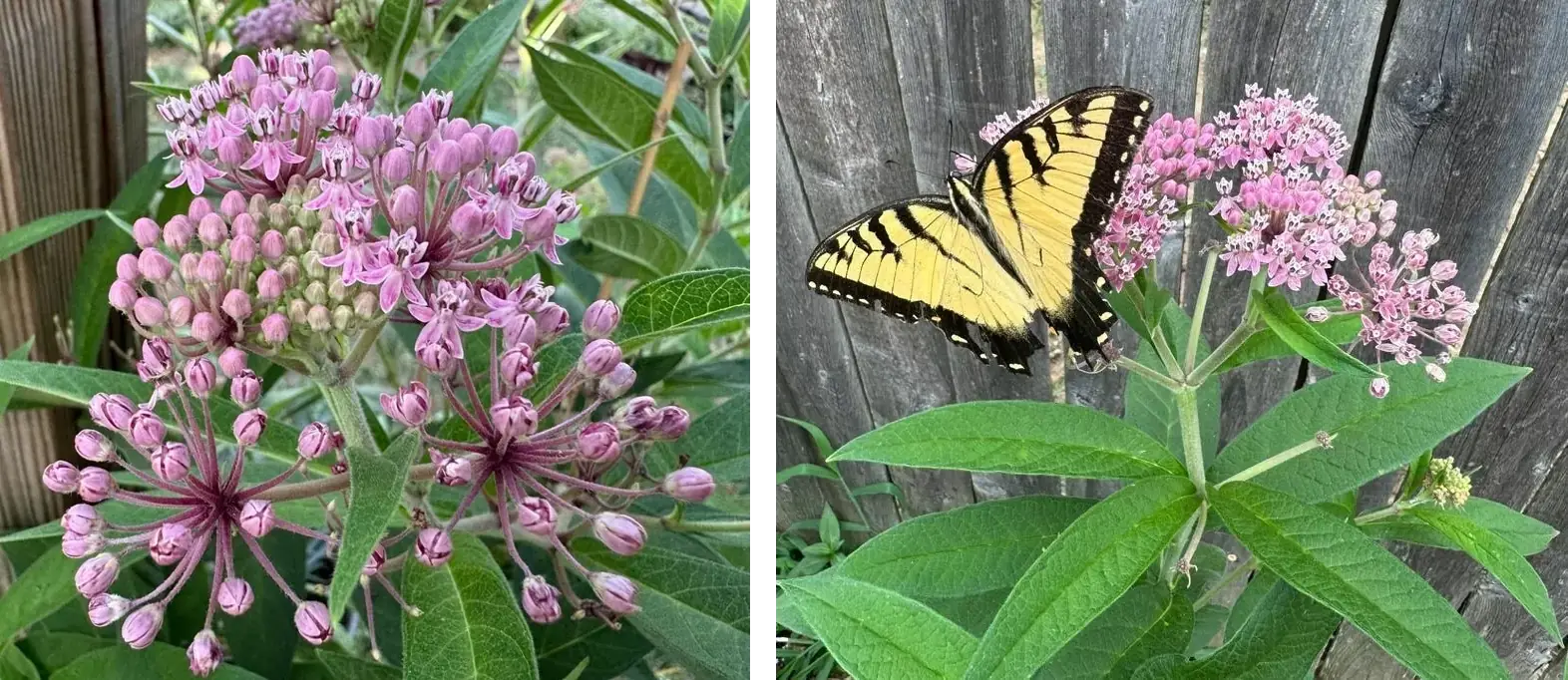
Some Quick Facts
-
Rain-garden ready. Thrives near ponds, streams, boggy spots, and rain-garden edges
-
Vertical accent. Upright, clumping habit adds height and structure in perennial borders
-
Cottage-garden friendly. Fits well in cottage beds, wildflower meadows, and native plantings
-
Cut-flower bonus. Sturdy stems and umbels hold well in the vase
-
Monarch support. Host plant for monarch caterpillars and a rich nectar source for adults; North American monarch numbers have fallen sharply in the last two decades, so every planting helps
-
Wetland helper. Useful in wet-area plantings for restoration and light erosion control
-
Deer and rabbit resistant. Bitter, milky sap with cardiac glycosides makes foliage unappealing to browsers
-
Not invasive. Spreads modestly by short rhizomes and light self-seeding; easy to manage with deadheading
-
Long show season. Pink to rose blooms in mid–late summer keep pollinators visiting for weeks
-
Tough yet adaptable. Prefers full sun and consistent moisture, but established clumps handle average garden soils if watered during dry spells
-
Great mixer. Pairs nicely with Joe-Pye weed, sedges, asters, and other moisture lovers for nonstop pollinator traffic
-
Easy care. Cut back stems in late winter, leave some pods for wildlife or bag pods if you’re saving seed
FAQ
1) When should I plant Swamp Milkweed seeds?
+For asclepias incarnata milkweed, the easiest route is fall sowing outdoors: nature handles cold stratification over winter. For spring starts, cold-stratify 30-60 days (slightly moist seed in a labeled bag in the fridge), then sow after frost when soil warms.
Press seeds in or cover very lightly (~3 mm in). Keep evenly moist and bright; expect sprouts 10-20 days after stratification. Transplant gently once seedlings have 2-3 true leaves.
2) How tall does Swamp Milkweed grow?
+Mature plants reach 3-5 ft (90-150 cm). Top end of the range happens with full sun, steady moisture, and fertile but not overly rich soil.
First-year plants are shorter; by year two they hit their stride. Container plants stay smaller. Pinching once in late spring can encourage bushier growth without reducing bloom.
3) Does Swamp Milkweed need full sun?
+Full sun (6-8 hours) gives the sturdiest stems and most flowers. Light afternoon shade is fine in hot climates, especially if soil dries quickly.
Match your site to ideal milkweed growing conditions: bright exposure plus consistent moisture. Too much shade means fewer flowers and floppier stems.
4) When does Swamp Milkweed bloom?
+Typical milkweed flower season is mid to late summer-roughly July through September. Warmer zones bloom earlier; cooler zones a bit later. Deadhead the first flush to encourage more clusters. If you want seed, allow late flowers to mature into pods in early autumn.
5) Is Milkweed invasive?
+No. It’s a well-behaved native that spreads slowly by short rhizomes and modest self-seeding. Control spread by deadheading, thinning volunteer seedlings in spring, or bagging a few pods before they split. Don’t confuse it with common milkweed (A. syriaca), which runs more aggressively.
6) Can Milkweed grow in clay soil?
+Yes-provided it stays evenly moist but not stagnant. In heavy clay, loosen the planting area and work in compost to improve texture and drainage. Mulch lightly to hold moisture. Avoid compacted paths near the crown, and water deeply during dry spells the first year.
7) Does Milkweed die back in winter?
+Yes-is milkweed a perennial? Absolutely. It’s herbaceous: tops die back after frost and new shoots emerge in spring from the crown. Hardy roughly in Zones 3-9. Leave stems standing for winter wildlife if you like, then cut to 2-3 in (5-8 cm) in late winter.
8) Is Milkweed good for monarch butterflies?
+It’s one of the best. Flowers feed adult monarchs; leaves feed caterpillars. Plant in clusters, avoid systemic insecticides, and combine with other nectar plants that bridge early and late seasons. A moist, sunny patch of milkweed makes a reliable nursery and nectar bar for monarchs and many native pollinators.